
Critical MSP Platform Offline: 33 Zero-Days Unleashed, Sounding Global Supply Chain Alarm
N-able's platform shutdown after 33 zero-day disclosures sends shockwaves through global MSP networks. ThreatSurface Global details implications & defensive…

The cybersecurity landscape was shaken recently as N-able, a prominent provider of remote monitoring and management (RMM) and security solutions for Managed Service Providers (MSPs), made the unprecedented decision to take its platform offline. This drastic measure was a direct response to the discovery and disclosure of a staggering 33 zero-day vulnerabilities impacting its systems. The incident underscores the profound risks inherent in critical IT supply chains and demands immediate attention from organizations globally.
The sheer volume of 33 zero-day vulnerabilities surfacing simultaneously represents a significant and rare event. While the specifics of each flaw remain under wraps, the collective "drop" suggests either a coordinated disclosure effort by a white-hat research collective or a deliberate unveiling by a threat actor group. Such a comprehensive set of unpatched weaknesses presents an existential threat, potentially allowing attackers to bypass conventional defenses, execute arbitrary code, or gain unauthorized access to thousands of client networks managed by N-able’s MSP partners. The immediate offline action points to the critical severity and widespread exploitability of these vulnerabilities, leaving little room for phased patching.
N-able's decision to offline its platform was a critical, albeit disruptive, incident response. It prioritized containing potential exploitation over maintaining service continuity. While this undoubtedly caused operational disruption for the vast network of MSPs relying on N-able for their day-to-day operations – from patch management to endpoint security – it was a necessary step to prevent a broader cascade of attacks. This preemptive shutdown indicates a high level of confidence in the exploitability of these flaws and the potential for rapid weaponization by threat actors.
Implications for Supply Chain Security
This event casts a long shadow over the security of the global IT supply chain. MSPs often serve as crucial conduits, managing IT infrastructure for countless small, medium, and large enterprises. A compromise at the MSP platform level, as seen with N-able, can directly translate into a mass compromise of their clients. This "one-to-many" attack vector is a preferred target for sophisticated threat actors, including nation-state groups and financially motivated ransomware gangs, due to its high return on investment. Organizations must re-evaluate their reliance on third-party providers and implement robust vendor risk management frameworks.Defensive Posture and Vigilance
For organizations leveraging MSPs, and for MSPs themselves, this incident serves as a stark reminder of continuous vigilance. 1. Diversify Risk: Avoid single points of failure in critical IT infrastructure and services where possible. 2. Enhanced Monitoring: Implement advanced threat detection and response (XDR/MDR) solutions capable of identifying anomalous behavior, even within trusted vendor connections. 3. Patch Management: While N-able addresses these zero-days, ensure internal patching processes for all other systems are robust and timely. 4. Incident Response Planning: Review and update incident response plans, specifically addressing scenarios involving supply chain compromises. 5. Communication Protocols: Establish clear communication channels with all critical third-party vendors for rapid threat intelligence sharing.The Global Angle
For "ThreatSurface Global" readers, the N-able incident is not merely a vendor-specific issue; it's a global cybersecurity bellwether. MSPs underpin the digital operations of businesses across every continent. A significant vulnerability within a widely adopted MSP platform like N-able creates a potential global attack surface, ripe for exploitation by any adversary with sufficient capabilities. Nation-state actors, known for targeting critical infrastructure and supply chains, could leverage such vulnerabilities for espionage or disruptive attacks on an international scale. Furthermore, ransomware groups, operating across borders, would quickly weaponize these flaws to infiltrate thousands of organizations simultaneously, irrespective of their geographic location. This incident highlights the interconnectedness of our digital world and the urgent need for a unified, global approach to supply chain security and vulnerability management.Source: Google News · zero-day

Chrome Under Siege: Google Patches Eighth Zero-Day of 2026 Amid Active Exploitation
Google rushes patch for eighth actively exploited Chrome zero-day of 2026. ThreatSurface Global examines impact, mitigation, and global enterprise risks.

Critical RMM Zero-Day Forces N-able Offline, Heightens Global Supply Chain Alarm
A critical zero-day vulnerability has forced N-able to take its N-central RMM platform offline. ThreatSurface Global examines the supply chain implications for

N-able Cloud Platform Plunges Offline Amid Mass Vulnerability Disclosure
N-able takes its cloud platform offline following the public disclosure of more than 30 critical vulnerabilities, raising significant supply chain concerns for

Automated Attack Compromises 1.5 Million Revolve Customer Payment Details
Online retailer Revolve confirms 1.5 million customer payment details compromised in a September breach. ThreatSurface Global investigates the automated attack

QNAP NAS Devices Under Siege: Plex2Shell Exploitation Surges, Urgent Action Required
QNAP NAS devices running Plex Media Server are targeted by widespread Plex2Shell exploits. ThreatSurface Global details the critical RCE vulnerability and…

Critical cPanel Zero-Day Lurked for Weeks, Threatening Global Web Infrastructure
A critical cPanel zero-day (CVE-2026-41940) was exploited for over 25 days, leaving global web infrastructure vulnerable. ThreatSurface Global examines the…
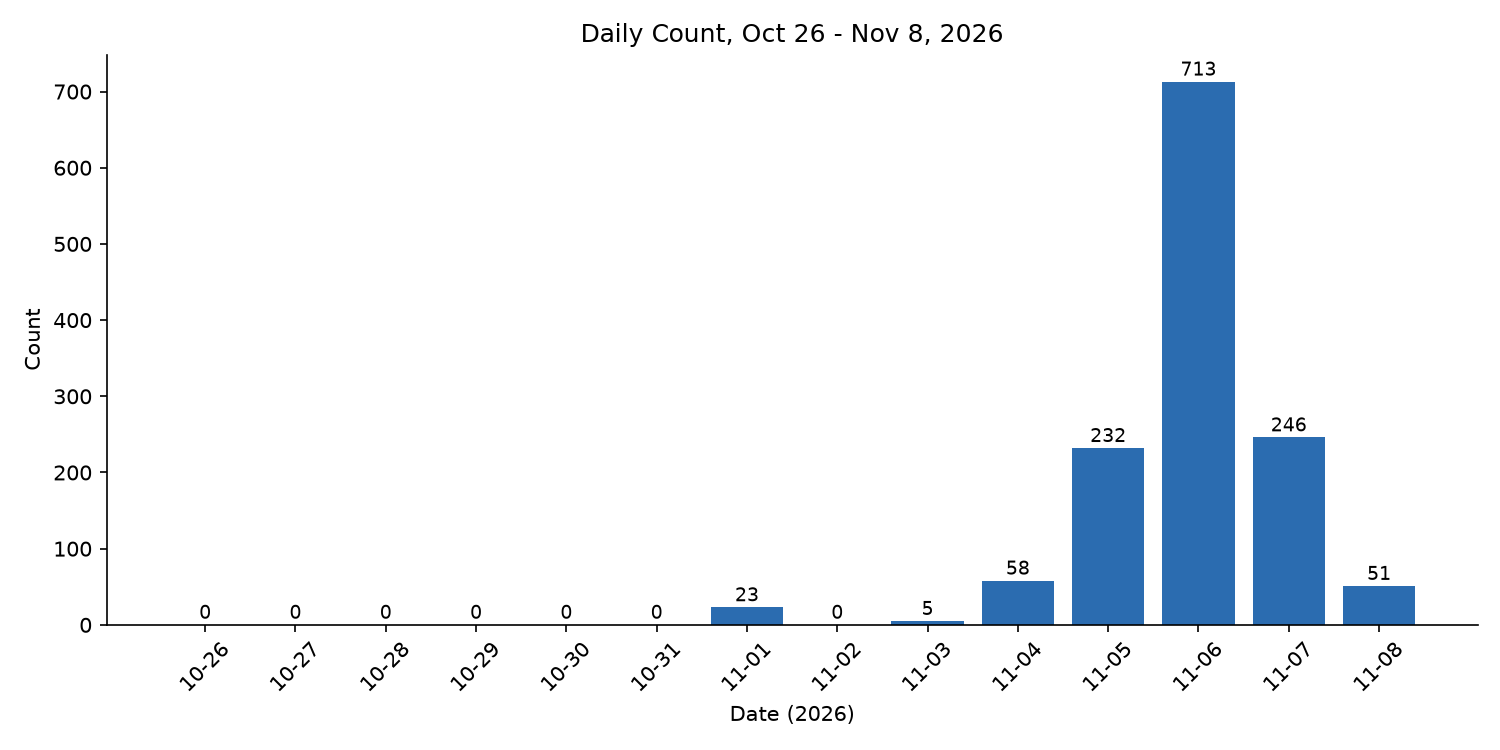
Sshole Vulnerability Triggers Global SSH Scan Surge: Exploitation Attempts Spike
New data reveals a global surge in exploitation attempts targeting CVE-2026-123158, the Sshole SSH vulnerability. Urgent patching and robust defenses…