
QNAP NAS Devices Under Siege: Plex2Shell Exploitation Surges, Urgent Action Required
QNAP NAS devices running Plex Media Server are targeted by widespread Plex2Shell exploits. ThreatSurface Global details the critical RCE vulnerability and…

Taipei, Taiwan – QNAP Systems, a prominent provider of network-attached storage (NAS) solutions, has issued an urgent advisory regarding widespread exploitation of the 'Plex2Shell' vulnerability chain targeting Plex Media Server installations on its devices. Threat actors are actively leveraging these flaws to gain unauthorized access, necessitating immediate defensive measures from users globally.
The Plex2Shell Threat Unpacked
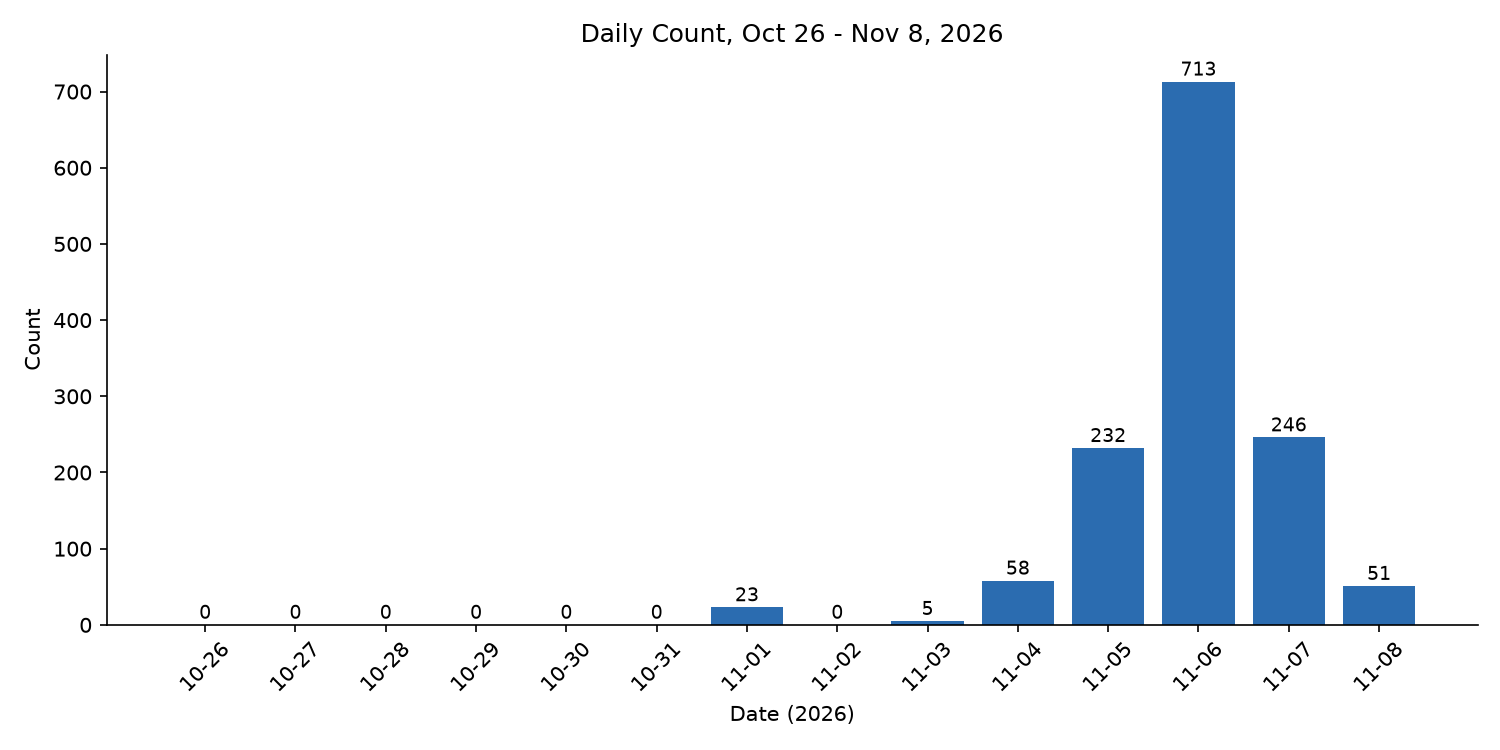
Plex2Shell refers to a series of four critical vulnerabilities (CVE-2026-96652, CVE-2026-96654, CVE-2026-96655, and CVE-2026-96656) identified within the Plex Media Server application. While patches for these security holes were released over the summer, widespread exploitation commenced in mid-October following the public disclosure of technical details and proof-of-concept (PoC) code. A successful exploit of Plex2Shell bypasses authentication requirements entirely, allowing attackers to execute arbitrary code with the privileges of the Plex service. This level of compromise grants a formidable foothold on affected QNAP NAS devices, posing a significant risk of further network infiltration.
Plex Media Server, a popular third-party application, is readily available to QNAP NAS users via the official App Center, making a broad swathe of devices potentially vulnerable if not updated. The seamless integration, while convenient, also creates an attractive attack surface for malicious actors.
QNAP's Stance and Urgent Directives
QNAP has confirmed receiving reports from numerous users regarding compromises related to Plex Media Server. Crucially, QNAP's Product Security Incident Response Team (PSIRT) has verified that the vulnerabilities are exclusive to Plex Media Server itself, confirming that QTS, QuTS hero, and other core QNAP operating systems are not directly affected. The company has also reported no instances of data loss directly attributable to these specific Plex2Shell exploits, though the potential for secondary attacks remains high.
Immediate and decisive action is paramount. QNAP strongly advises all users to update their Plex Media Server to version 1.43.3 or later without delay. For any QNAP NAS device accessible from the internet, QNAP recommends assuming potential compromise, reinstalling Plex Media Server, and rotating passwords for both the Plex account and the NAS device itself. Furthermore, users who do not require remote access to Plex should disable the Plex Remote Access feature and avoid forwarding port 32400. For those who do need remote access, QNAP recommends utilizing a Virtual Private Network (VPN) as a more secure alternative. Maintaining updated QTS or QuTS hero operating systems and all other installed applications is also critical for overall security posture.
The Global Angle
For ThreatSurface Global's audience, this incident transcends a mere consumer-grade media server vulnerability. QNAP NAS devices are often deployed in SMBs and even larger enterprises for critical data storage, backup, and media asset management. The exploitation of Plex2Shell represents a critical supply-chain attack vector, leveraging a widely used third-party application to gain initial access to an organization's network perimeter. The ability to achieve arbitrary code execution without authentication is a significant red flag, potentially leading to lateral movement, data exfiltration, or even ransomware deployment if an attacker pivots from the compromised Plex service. This underscores the imperative for robust patch management, diligent monitoring of third-party applications, and the implementation of least-privilege principles, particularly for internet-facing services. Enterprises must recognize that any peripheral service, no matter how innocuous it seems, can serve as a beachhead for advanced persistent threats.
Source: SecurityWeek

Automated Attack Compromises 1.5 Million Revolve Customer Payment Details
Online retailer Revolve confirms 1.5 million customer payment details compromised in a September breach. ThreatSurface Global investigates the automated attack

Critical cPanel Zero-Day Lurked for Weeks, Threatening Global Web Infrastructure
A critical cPanel zero-day (CVE-2026-41940) was exploited for over 25 days, leaving global web infrastructure vulnerable. ThreatSurface Global examines the…
Sshole Vulnerability Triggers Global SSH Scan Surge: Exploitation Attempts Spike
New data reveals a global surge in exploitation attempts targeting CVE-2026-123158, the Sshole SSH vulnerability. Urgent patching and robust defenses…

BeyondTrust Zero-Day Exploited by Chinese APT: A Global Privilege Management Alert
A Chinese APT group exploited a zero-day in BeyondTrust Privilege Management for Windows, posing a global threat to privileged access. Learn about the exploit…

Network Edge Exposed: Critical Zero-Days Imperil D-Link Enterprise Switches
Urgent alert for D-Link Enterprise Gigabit Switch users. New critical zero-day vulnerabilities expose networks to severe threats. Act now to mitigate risks.

China-Linked APT Leverages VMware Zero-Day to Root Critical Network Firewalls
Chinese nation-state actors exploited a VMware ESXi zero-day, chaining with PHP2Shell and Fragnesia to root firewalls. Global enterprises must bolster…

Global Identity Crisis: Critical Flaw Exposes Millions to Account Takeover
Researchers uncover a critical session-management flaw in cloud identity platforms, posing a severe risk of mass account takeovers for millions of users and…