
Automated Attack Compromises 1.5 Million Revolve Customer Payment Details
Online retailer Revolve confirms 1.5 million customer payment details compromised in a September breach. ThreatSurface Global investigates the automated attack

The online fashion giant Revolve has officially confirmed a significant data breach, impacting over 1.5 million customers. The incident, first detected in late September, saw an unauthorized actor compromise sensitive payment information and personal details through what the company describes as “automated means.” This disclosure, made to the Indiana Attorney General’s Office, significantly expands the scope of the breach previously reported to other state regulators.
The Breach Unpacked: Timeline and Impact
Revolve's journey through this security incident began on September 11, when an unauthorized party gained access to certain systems, including its critical e-commerce platform. It wasn't until September 29 — an 18-day delay — that Revolve became aware of the intrusion. Public disclosure followed nearly a month later, on October 29, when the company filed with the U.S. Securities and Exchange Commission (SEC) and began notifying affected individuals.
The exposed data includes customers’ names, mailing addresses, and critically, stored payment card numbers along with their expiration dates. Revolve clarified that the breach specifically targeted shoppers who had opted to save a payment method within their online accounts. While the exact mechanism of the “automated means” attack remains undisclosed, such phrasing often points to sophisticated bot attacks, credential stuffing, or large-scale web scraping operations designed to exfiltrate data efficiently from vulnerable e-commerce environments.
Critical Data at Risk: Payment Information
The compromise of payment card details represents a severe risk for affected individuals. While full CVV/CVC codes were not mentioned as compromised, the combination of card numbers and expiration dates, coupled with personal identifiers like names and addresses, provides a robust dataset for fraudsters. This information can be leveraged for various illicit activities, including unauthorized purchases, account takeovers, and even identity theft.
For businesses, the implications extend beyond direct financial costs. Reputational damage, potential regulatory fines (especially with global data protection laws in play), and the erosion of customer trust can have long-lasting effects. Revolve has engaged federal law enforcement and external cybersecurity experts to aid in its response and investigation, yet details on the specific vulnerabilities exploited or the threat actor behind the attack remain publicly unknown.
The Global Angle
For the "ThreatSurface Global" audience, the Revolve breach, while originating in a U.S.-based retailer, serves as a critical case study in the universal challenges facing e-commerce security. “Automated means” attacks are a pervasive threat, with botnets and sophisticated scripts capable of targeting any online platform, regardless of geographic location. Global enterprises must recognize that these vectors are not country-specific; a vulnerability exploitable in one region is often replicable worldwide.
Furthermore, the aggregation of customer payment data, a common practice for enhancing user experience, creates attractive targets for cybercriminals globally. This incident underscores the imperative for robust security protocols around stored financial information, including advanced encryption, multi-factor authentication (MFA) for account access, and continuous monitoring for suspicious activity. International standards and emerging regulations like GDPR and similar data protection acts mean that even breaches primarily affecting one country can set precedents for compliance and incident response globally, forcing multinational corporations to align their security postures to the highest common denominator. The lessons from Revolve’s experience emphasize the global need for proactive defense against automated attacks and stringent data handling practices across the entire digital supply chain.
Source: SecurityWeek

QNAP NAS Devices Under Siege: Plex2Shell Exploitation Surges, Urgent Action Required
QNAP NAS devices running Plex Media Server are targeted by widespread Plex2Shell exploits. ThreatSurface Global details the critical RCE vulnerability and…

Critical cPanel Zero-Day Lurked for Weeks, Threatening Global Web Infrastructure
A critical cPanel zero-day (CVE-2026-41940) was exploited for over 25 days, leaving global web infrastructure vulnerable. ThreatSurface Global examines the…
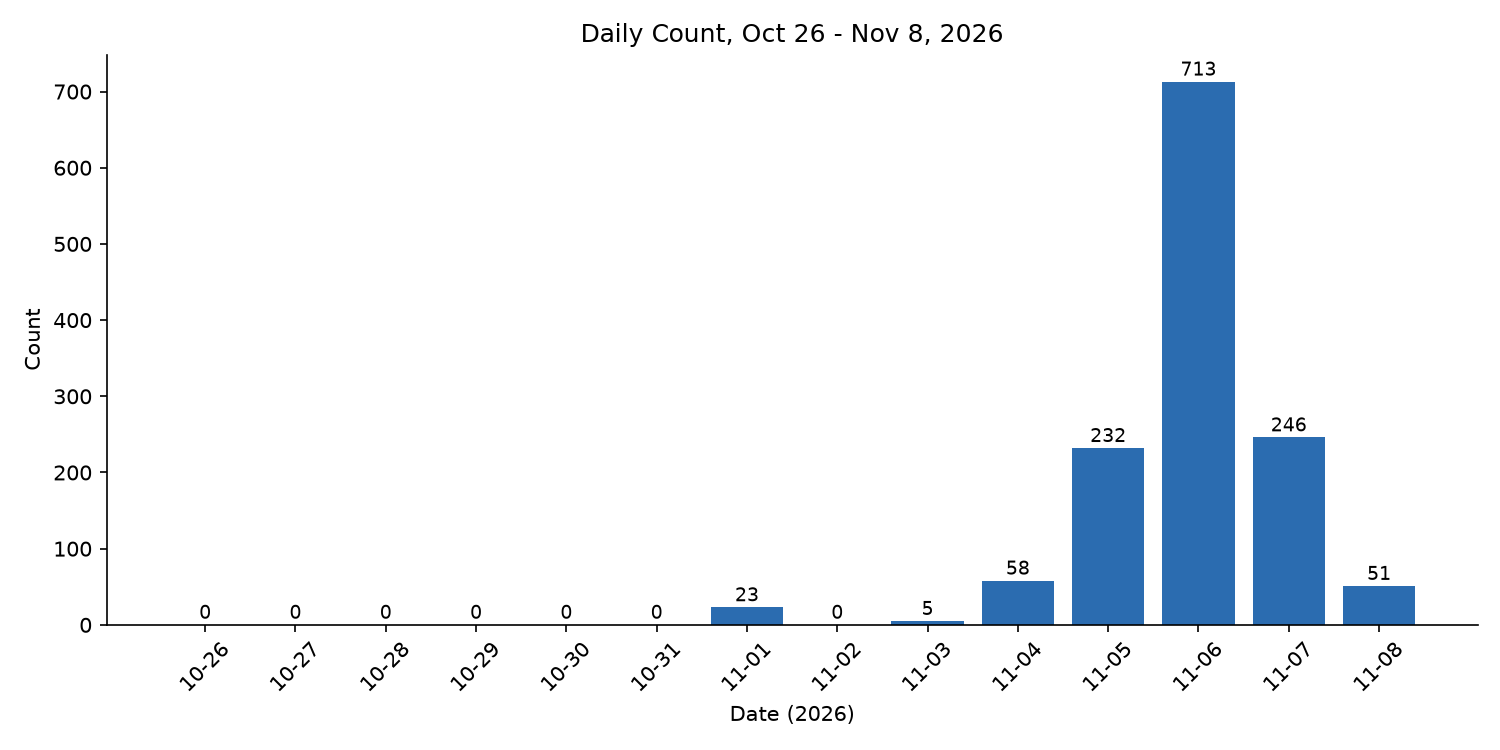
Sshole Vulnerability Triggers Global SSH Scan Surge: Exploitation Attempts Spike
New data reveals a global surge in exploitation attempts targeting CVE-2026-123158, the Sshole SSH vulnerability. Urgent patching and robust defenses…

BeyondTrust Zero-Day Exploited by Chinese APT: A Global Privilege Management Alert
A Chinese APT group exploited a zero-day in BeyondTrust Privilege Management for Windows, posing a global threat to privileged access. Learn about the exploit…

Network Edge Exposed: Critical Zero-Days Imperil D-Link Enterprise Switches
Urgent alert for D-Link Enterprise Gigabit Switch users. New critical zero-day vulnerabilities expose networks to severe threats. Act now to mitigate risks.

China-Linked APT Leverages VMware Zero-Day to Root Critical Network Firewalls
Chinese nation-state actors exploited a VMware ESXi zero-day, chaining with PHP2Shell and Fragnesia to root firewalls. Global enterprises must bolster…

Global Identity Crisis: Critical Flaw Exposes Millions to Account Takeover
Researchers uncover a critical session-management flaw in cloud identity platforms, posing a severe risk of mass account takeovers for millions of users and…