
Critical RMM Zero-Day Forces N-able Offline, Heightens Global Supply Chain Alarm
A critical zero-day vulnerability has forced N-able to take its N-central RMM platform offline. ThreatSurface Global examines the supply chain implications for

N-able, a prominent provider of IT management solutions, has taken its N-central remote monitoring and management (RMM) platform offline following the public disclosure of a critical zero-day vulnerability. This decisive, albeit disruptive, action underscores the severe risks posed by unpatched infrastructure software, especially those with privileged network access essential to global IT operations. The move highlights a grim reality: when a zero-day surfaces in a foundational tool, vendors face an immediate, high-stakes choice between continued service and widespread security compromise.
The Zero-Day Imperative
A zero-day vulnerability represents a significant threat because it is unknown to the software vendor and, critically, lacks an available patch. The N-able situation escalated rapidly due to the public 'dump' of exploit details, often forcing a vendor's hand to accelerate response timelines. In such scenarios, the risk of widespread, opportunistic exploitation by threat actors becomes imminent, compelling vendors to take drastic measures like platform shutdowns to protect their customer base from potentially catastrophic supply-chain attacks. This incident is a stark reminder of the volatile nature of the cyber threat landscape, where public disclosure can turn a theoretical vulnerability into an active, global emergency within hours.
RMM Platforms: A Global Attack Surface
Remote Monitoring and Management (RMM) tools like N-central are the backbone of many Managed Service Providers (MSPs) and enterprise IT departments, granting extensive administrative privileges across client environments. They manage endpoints, deploy software, and monitor networks, making them incredibly potent — and equally vulnerable — targets. A compromise of an RMM is not merely a breach of the vendor; it's a potential supply-chain vector impacting every organization reliant on that platform. Historical precedents, such as the Kaseya VSA and SolarWinds Orion breaches, serve as potent warnings regarding the cascading effects of RMM/supply chain compromises, demonstrating how a single vulnerability can provide threat actors broad access into thousands of interconnected networks.
The Global Angle
This N-able incident resonates deeply with ThreatSurface Global's audience due to the pervasive global footprint of RMM solutions. MSPs and enterprises across continents depend on N-able products for their operational efficacy. A zero-day in such a widely deployed tool implies a potential, geographically unbounded risk to critical infrastructure, government agencies, and corporate networks worldwide. For sophisticated adversaries, including nation-state actors, compromising an RMM offers a high-leverage entry point to access a multitude of targets across geopolitical boundaries. This incident forcefully reiterates the urgent global necessity for robust security postures, stringent access controls, comprehensive logging, and rapid patching capabilities for any organization utilizing such foundational tools. It underscores the global cybersecurity community's shared responsibility in collectively managing these systemic risks.
Fortifying Your Defenses
Organizations utilizing N-central, or any similar RMM platform, must prioritize immediate and sustained security measures. Key actions include: closely monitoring N-able's official advisories for updates and mitigation guidance; ensuring strict network segmentation for RMM tools to limit lateral movement if compromised; mandating multi-factor authentication (MFA) for all RMM access with zero exceptions; thoroughly reviewing audit logs for any suspicious activity; and proactively developing or refining incident response plans specifically tailored for RMM compromise scenarios. Furthermore, maintaining air-gapped backups for critical data, independent of managed solutions, provides a crucial last line of defense.
Source: Google News · zero-day

N-able Cloud Platform Plunges Offline Amid Mass Vulnerability Disclosure
N-able takes its cloud platform offline following the public disclosure of more than 30 critical vulnerabilities, raising significant supply chain concerns for

Automated Attack Compromises 1.5 Million Revolve Customer Payment Details
Online retailer Revolve confirms 1.5 million customer payment details compromised in a September breach. ThreatSurface Global investigates the automated attack

QNAP NAS Devices Under Siege: Plex2Shell Exploitation Surges, Urgent Action Required
QNAP NAS devices running Plex Media Server are targeted by widespread Plex2Shell exploits. ThreatSurface Global details the critical RCE vulnerability and…

Critical cPanel Zero-Day Lurked for Weeks, Threatening Global Web Infrastructure
A critical cPanel zero-day (CVE-2026-41940) was exploited for over 25 days, leaving global web infrastructure vulnerable. ThreatSurface Global examines the…
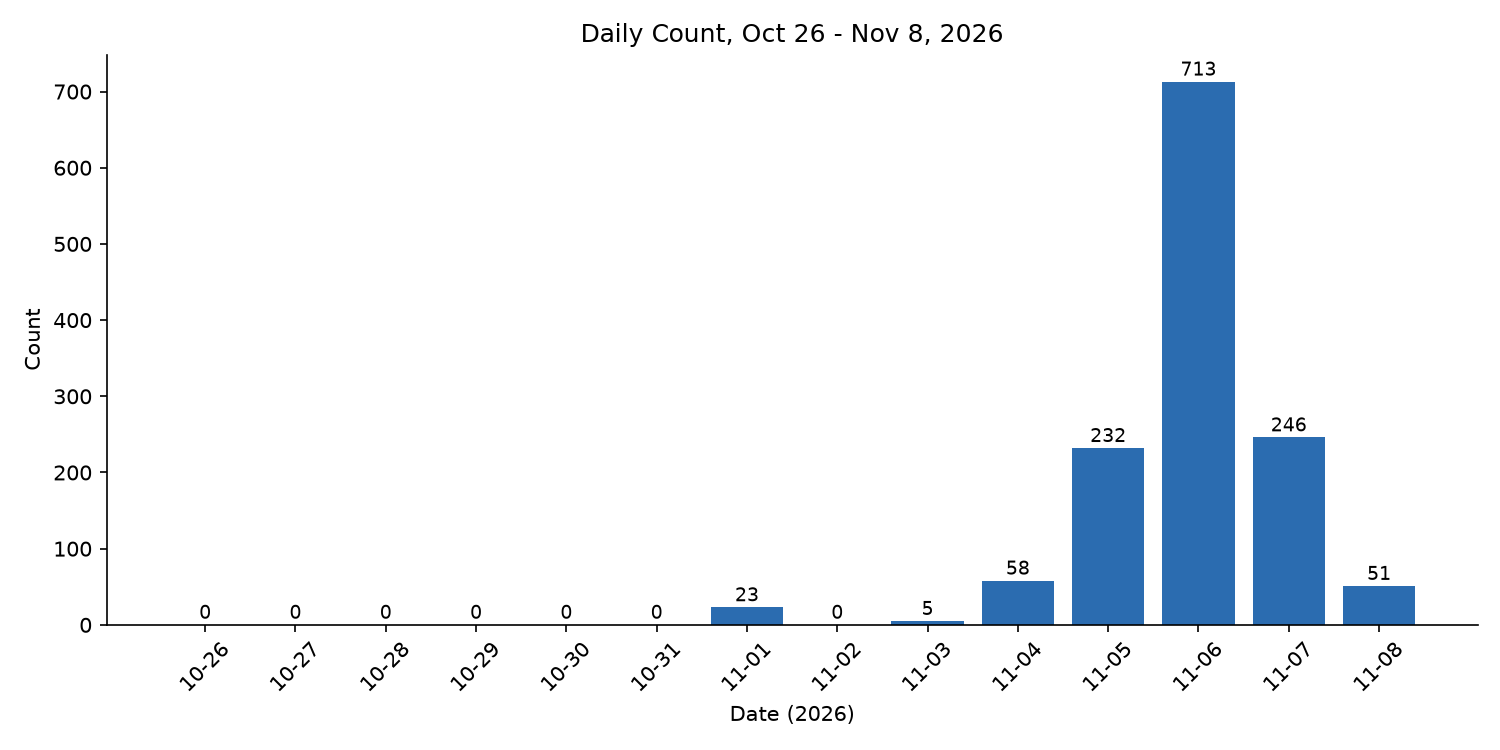
Sshole Vulnerability Triggers Global SSH Scan Surge: Exploitation Attempts Spike
New data reveals a global surge in exploitation attempts targeting CVE-2026-123158, the Sshole SSH vulnerability. Urgent patching and robust defenses…

BeyondTrust Zero-Day Exploited by Chinese APT: A Global Privilege Management Alert
A Chinese APT group exploited a zero-day in BeyondTrust Privilege Management for Windows, posing a global threat to privileged access. Learn about the exploit…

Network Edge Exposed: Critical Zero-Days Imperil D-Link Enterprise Switches
Urgent alert for D-Link Enterprise Gigabit Switch users. New critical zero-day vulnerabilities expose networks to severe threats. Act now to mitigate risks.